


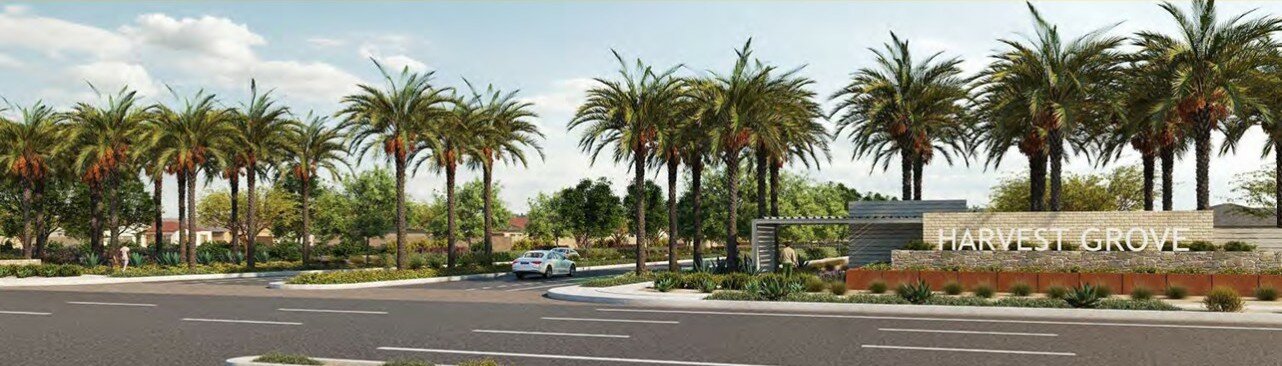

The Gilbert Town Council recently voted to reject a significant residential development proposal, underscoring ongoing concerns among residents and elected officials about growth, traffic, and community character.
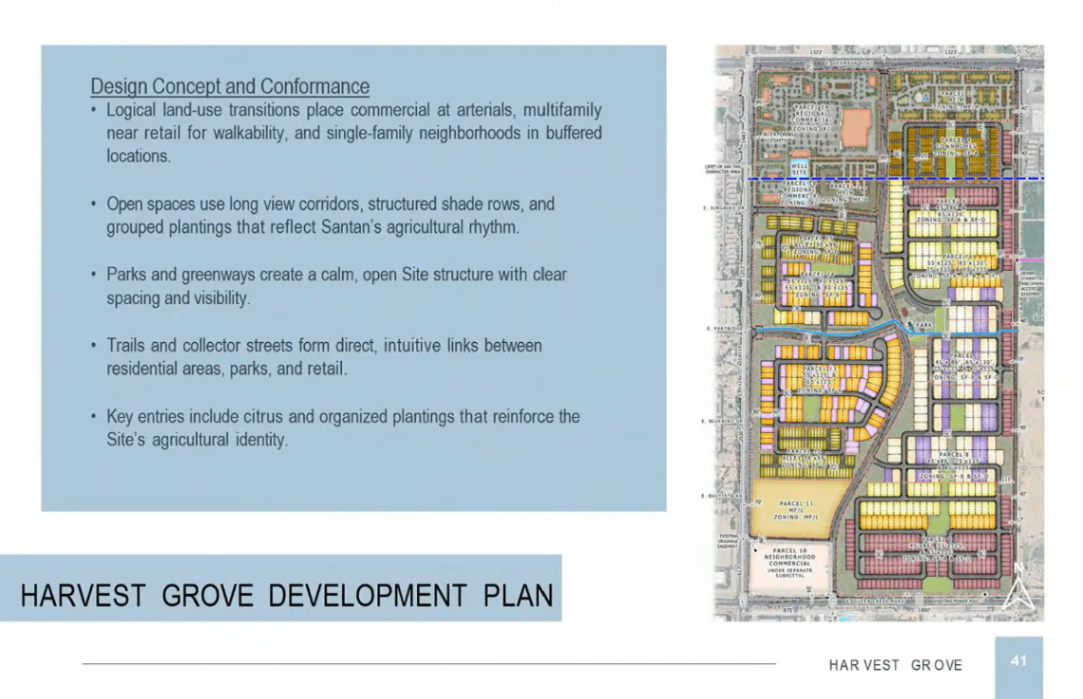
In early 2026, the council declined to approve a revised master-planned residential project submitted by Lennar Homes, even after months of changes and staff recommendations. The proposal called for a large number of homes but ultimately failed to gain sufficient support.
Town officials and residents alike have expressed concerns about the pace and type of development in Gilbert, particularly when it comes to higher-density housing. In recent meetings, local citizens have spoken out strongly against several high-density plans, arguing they could negatively impact quality of life, traffic safety, and neighborhood character.
This isn’t an isolated incident. In mid-2025, the council also rejected a rezoning request tied to a large apartment development, preserving commercial zoning instead of allowing the residential project to move forward.
Why the Council Rejected These Plans
Officials and residents have voiced a range of concerns:
- Infrastructure and traffic impacts: Critics worry that a significant influx of new homes could strain roads, utilities, and public services.
- Community character: Many longtime Gilbert residents value the town’s suburban feel and have pushed back against dense development without adequate planning for infrastructure.
- Zoning priorities: The municipality has favored maintaining commercial and mixed-use areas in key corridors rather than converting those lands wholesale to residential use.
These decisions show how the Town Council is balancing growth with community concerns as Gilbert continues to evolve. They also reflect a broader conversation happening across the Phoenix metro area about how and where to build new housing.
What This Means for Future Growth
With Gilbert’s position as one of Arizona’s fastest-growing communities — and the largest incorporated “town” in the United States by population — development decisions will remain highly scrutinized.
Council actions indicate that not all proposed housing projects will move forward without significant changes, especially where residents and officials feel infrastructure or zoning policies may not support rapid expansion.
For developers, this means that community input and alignment with existing zoning frameworks are increasingly important for securing council approval. Future proposals are likely to be shaped by lessons from recent rejections, with a stronger emphasis on traffic planning, infrastructure improvements, and compatibility with long-term plans for Gilbert’s character and growth.




